

Running Shirt Fabric Guide: Polyester, Nylon & Blends for Quick-Dry Performance
I have cut, sewn and test-washed running shirts on the floor of our Zhejiang factory for twenty years. The question I hear most from brands is not about logos or pricing — it is "what fabric should a running shirt actually be?" Here is the honest, fiber-level answer — the way I would explain it across a cutting table.
The Mechanism: Why Fabric "Quick-Dries" at All
Before comparing fibers, you need the physics. Quick-dry fabric works because the fiber is **hydrophobic** — it does not absorb sweat the way cotton does. Capillary action moves moisture along the fiber surface and spreads it over a larger area, where it evaporates faster. On the factory floor we do not trust marketing copy; we run evaporation-rate tests on our own fabric rack, timing how long a measured droplet disappears from each knit.
Polyester: The Workhorse of Road Running
Polyester is the default for running shirts for a reason. Its hydrophobic core wicks aggressively, holds its shape through hundreds of wash cycles, and takes dye well, so deep colors stay colorfast under UV. We source micro-denier polyester yarns to soften the hand feel without sacrificing wick rate. For most warm-weather road running, a polyester knit around 110–150 GSM gives the best balance of breathability, opacity and durability.
Nylon: Toughness and a Premium Hand Feel
Nylon is where running shirts earn a premium feel. It is inherently stronger — better abrasion resistance for trail packs and rough use — and its smooth filaments give a slicker, softer touch against the skin. The trade-offs are real: nylon absorbs slightly more moisture, can feel heavier in humid weather, and is more prone to static cling. When the brief is a technical long-sleeve for cool mornings or a shirt that must shrug off trail abrasion, nylon's toughness wins.
Blends: Where the Real Engineering Lives
Almost no performance running shirt is a single fiber — the blend is where the engineering happens. Adding 15–20% spandex gives four-way stretch and recovery, so the shirt moves with a full stride and snaps back without bagging. Two ratios we run constantly: **85/15 polyester-spandex** for running tops where wicking speed and shape retention matter, and **78/22 nylon-spandex** when the request is a softer, more flexible hand feel. Many premium shirts blend both families — polyester zones for breathable, fast-drying panels, nylon zones for high-friction areas like the shoulders and cuffs.
GSM, UPF and the Weight Trade-off
GSM — grams per square meter — is your quick-read on weight. Light 100–130 GSM knits breathe best for hot runs; 140–180 GSM adds structure and opacity for cooler weather and team kits. UPF, meanwhile, depends more on yarn structure than most buyers expect: tight knits, darker dyes and UV-absorbing yarns block more UV. If your customer runs at midday in summer, a UPF-rated knit is a real spec for the tech pack, not a slogan.
Knit, Seams, Ventilation and Finishes
Running shirts live on knits — they stretch and breathe in ways woven fabric cannot. Seamless knits remove side-seam chafe on long miles, while mesh panels under the arms and across the back dump heat where it pools. Finishes close the gap: an ice-touch or cooling finish lowers skin temperature at the start of a hot run, and reflective yarn or heat-transfer elements turn a training tee into a visible safety layer for dawn and dusk runs.
Choosing Fabric by Running Scenario
None of this matters if the finished garment drifts from the approved sample. Every production run is inspected to **AQL 2.5 (ISO 2859-1, General Inspection Level II)** — on a 500-piece batch that is a 50-piece sample, accept 2 defects and reject on 3 — and we photograph the sample and share the test data with you. One running brand in Brazil tested our polyester tanks and returned for 500 pieces within three weeks when the wicking performance sold through. That is the loop good fabric actually creates.
If your product is compression rather than an everyday run tee, we break down the same fibers in our polyester vs nylon for compression wear guide.
These Fabrics in Production
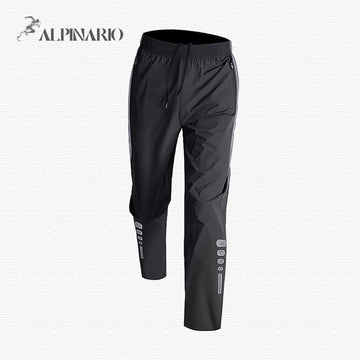
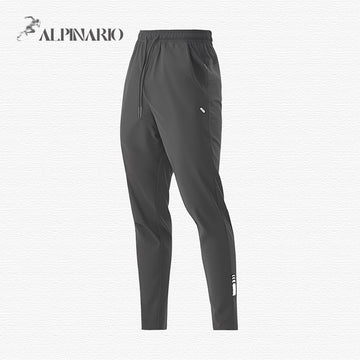
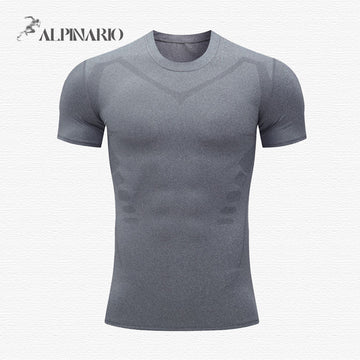
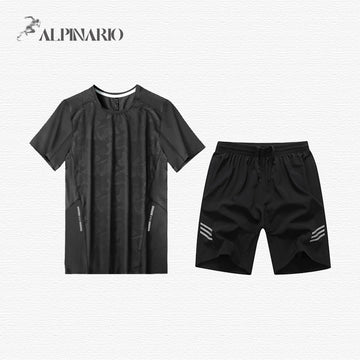
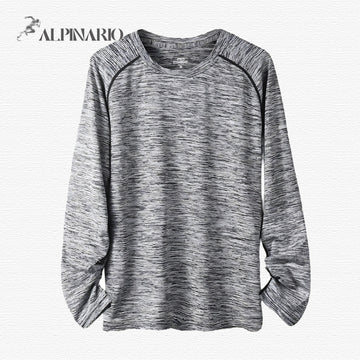
The principles above are not theoretical — here are running shirts we manufacture with these exact fabrics:
Need these knits under your own brand? We cover the whole process — fabric selection, samples in 7 days, and your label on the finished shirt — across our custom sportswear and private label activewear manufacturing pages.
Frequently Asked Questions
What is the best fabric for running shirts?
For most road running, a polyester knit between 110 and 150 GSM is our default: it wicks fastest and holds shape through repeated washing. Adding 15–20% spandex adds stretch and recovery, while a 78/22 nylon-spandex blend suits softer, tougher trail shirts.Is nylon or polyester better for quick-dry running shirts?
Polyester wins on sheer dry speed because it is more hydrophobic and absorbs less moisture. Nylon dries respectably but feels heavier in humidity; its real strengths are abrasion resistance and hand feel. Many premium shirts blend both to get the best of each.What does UPF mean for a running shirt?
UPF rates how much UV the fabric blocks. Tight knits, darker dyes and UV-absorbing yarns raise the rating. For midday summer runs, request a UPF-rated knit and we will specify it in the tech pack.How do I verify quick-dry performance before committing?
Ask for evaporation or wicking test data from the mill or the factory's in-house rack, and order a swatch so you can feel and wash-test it yourself. Our samples leave the factory within 7 days of design approval.Get a Quote
Test the fabric before you scale — and get straight advice on which knit fits your market.
*This guide was written by the production team at Alpinario, a Zhejiang-based activewear factory with 20+ years of experience, certified with OEKO-TEX Standard 100, ISO 9001:2015 and BSCI, with REACH and Prop65 compliant materials.*