

OEM vs ODM vs Private Label: What's the Difference
What OEM, ODM, and Private Label Actually Mean
People use these three terms interchangeably. They're not the same. The difference comes down to one question: who owns what.
OEM (Original Equipment Manufacturing). You own the design. We own the factory. You send the spec — measurements, fabric, stitch details — and we produce exactly to your drawings. The pattern, the grading, the construction method: all yours. Most OEM quotes at our Yiwu plant (50,000㎡, medium scale) depend on category and quantity. There's no universal MOQ; you ask for your product line and we price it.
ODM (Original Design Manufacturing). This is the one most guides skip. In ODM, we own the design and the pattern. You own the brand. We keep 40 in-stock styles on the floor — men's compression and quick-dry tops, women's yoga sets, in ice silk, UPF50, and compression fabrics. You pick styles from the catalog, put your label on, and sell. No development cost, no sampling wait: stock ships same day; custom sampling runs 7–15 days. And most buyers don't realize how far ODM goes. We'll change a color, swap a trim, add your print to an existing pattern. The design stays ours. The brand is yours.
Private Label. This isn't a separate manufacturing model — it sits on top. Private label covers the brand assets: the neck label, the hang tag, the packaging. You can private-label an ODM stock style or a fully custom OEM piece. Either way, the brand is yours. Design ownership is what actually changes between the three.
The route most of our buyers take: test with stock first (tiered pricing, 1 pc at 1.5× catalog up to 15% off at 20 pcs), then small-batch relabel, then custom OEM once they know which styles move.
That's the real difference. Not who makes it. Who owns what.
OEM vs ODM vs Private Label: Side-by-Side Comparison
These three routes look similar until you place your first order. The real difference shows up in cost per unit, MOQ, and what happens if the product doesn't sell. Here's how they work at our factory — a mid-size 50,000㎡ shop with 40 stock styles:
| Factor | OEM | ODM | Private Label | |---|---|---|---| | Design ownership | Yours | Factory's pattern library | Factory's stock design | | Pattern | Your spec sheet; sampling 7–15 days | Pick from 40 existing styles | Already in production | | Fabric sourcing | You specify (ice silk, UPF50, compression) | Factory standard fabrics | Factory standard fabrics | | Branding | Your label + custom print/embroidery | Your labels and hangtags | Label swap, hangtag swap | | MOQ level | Highest — quoted per category | Medium — quoted per category | 1 piece | | Price level | Highest | Middle | Lowest: 1 pc = catalog ×1.5, 5 pcs = standard wholesale, 10 pcs = 10% off, 20 pcs = 15% off | | Risk | Highest — if the design flops, the stock is yours | Medium | Lowest — you test before you commit |
One-line verdicts
- Private Label: Cheapest way to test demand — buy 1 piece, put your tag on it, see if it moves.
- ODM: The practical middle path — factory-proven design, your brand, no development cost.
- OEM: Only worth it once you have sales data and a design you believe in. It costs the most, and the risk sits on you.
Which one should you pick?
A typical buyer starts by testing two yoga tops from our stock line, reorders 50 pieces with their own label once they sell, then commissions a custom compression print on the winning style. That whole sequence took about six weeks for one client. We've handled enough overstock to know the reverse order rarely ends well.
Tell us your target price and monthly volume, and we'll say straight which route is realistic — no minimum to hit on day one.
Which One Fits Your Stage
Match the model to where you actually are. Don't order 500 custom-cut pieces on day one.
First sale? Start with private label on stock. Pick from our 40 stock styles. Tell us your brand name, we swap the label and hangtag. Custom print or embroidery? Also doable. Buy 1 piece and you pay 1.5x catalog price. Buy 5, you get the normal price. At 10 pieces it's 10% off; at 20, 15% off. Your total risk is a few hundred dollars. We ship same day, so you test the market before committing to anything bigger.
Growing brand? Move to OEM with your cut. Once a stock style sells consistently — say 50+ units a week — change the cut. Adjust the neckline, shorten the sleeve, pick a different colorway. This is where you build something customers can't find on every other listing. Sampling takes 7-15 days. You're not inventing a product; you're shaping one that already has sales data behind it.
What about ODM? ODM means we design it, you put your name on it. We don't claim to run a full brand-service studio. What we do: take our compression or quick-dry fabrics — ice silk, UPF50, compression — and build a product around your brief. Useful if you have a market insight but no design team. Ask for a quote by category; custom MOQs vary.
When to move up? Move when the numbers say so, not when you feel ready. Rule of thumb: stock private label first to validate demand; OEM once a style proves itself; ODM only when you have specific market feedback your competitors haven't served yet.
Our factory is 50,000 sqm in Yiwu — mid-sized, not a giant. That means we answer messages and ship small orders without making you feel like a nuisance, and the stock-to-OEM ladder above is how most of our reorders actually happen.
How Each One Works at Our Factory
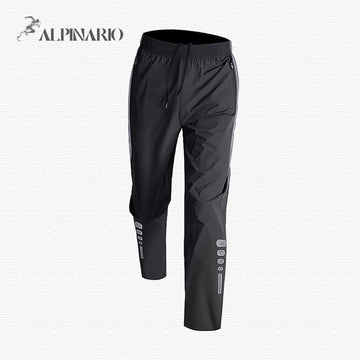
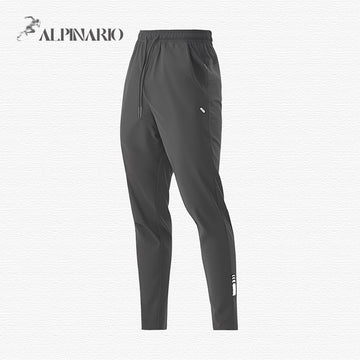
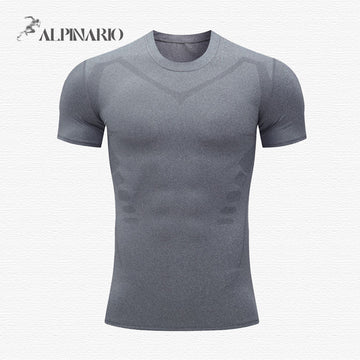
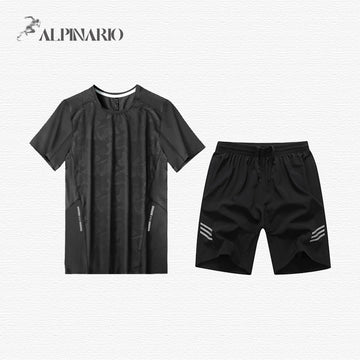
Private label is the fastest path. We keep 40 stock styles in our Yiwu warehouse — men's compression shirts, quick-dry tops, women's yoga wear. You pick from the catalog, we swap the neck label and hang tag to yours. Done. MOQ is one piece, on the same tier schedule as the rest of the catalog. No pattern fees, no sampling wait. Stock ships the same day. Most new buyers start here.
OEM is where you call the shots. You tell us your cut, your colors, your print or embroidery placement — on ice silk, quick-dry, UPF50, or compression fabric. That's what we produce daily, so we don't have to learn new materials for your order. Sampling takes 7–15 days. We send a physical sample, you approve it, then we quote the production run. The price comes after the sample, not before, because collar style and stitch density change the cost line. Custom MOQs get quoted per category — a compression top and a yoga pant are not the same number.
ODM sits between the two. We take an existing pattern from our own line and adapt it to your specs. Adjust the length, change the sleeve, swap the collar. You skip the blank-canvas design stage and work from a pattern we've already cut successfully. You approve the changes, then it moves into sampling.
Our factory is 50,000 square meters in Yiwu — medium scale, not a mega plant, not a workshop. And to be straight with you: we don't run a full brand service. No packaging design team, no marketing support. We do stock, label swaps, and custom production on fabrics we already handle.
The path that works: test 2–3 stock pieces, put your label on a small batch, then talk OEM once the product moves.
Send us a product link or photo — we'll tell you which of the three paths fits your budget.
What to Ask Before You Choose
Before you commit to a factory, ask these five questions. One or two of them will tell you more than any brochure.
Is the sample fee refundable? Some factories keep it, some deduct it from the first PO, some refund it once you hit a volume. Don't assume. Ask exactly how the fee applies — in writing. At our mid-size Yiwu plant (50,000 sqm), you'll get the same answer on the invoice as you do on the phone.
What is the MOQ per colorway? A factory might say "MOQ 500 pcs" and mean 500 total. Then you find out each color needs 500. For our 40 stock styles, the minimum starts at 1 piece. Custom orders are quoted by category. Always confirm per color, per size.
Who owns the pattern file? If you pay for development, the pattern should be yours. If you switch factories later, can you take it with you? Get that in the quote. Some suppliers act like the file belongs to them because they cut it. That makes switching expensive.
Can you see the factory floor? A live video call to the cutting line and QC table is the minimum. We're not offering "full brand magic" — just a real facility you can walk through. Ask for a live walk-through, not a photo gallery.
How fast is a sample? Stock styles ship the same day. Custom sampling takes 7–15 days. Know which one you're dealing with before you lock in a launch date.
Start with stock styles to test demand, then small-batch private label, then custom OEM. That path keeps cash outlay small. Our pricing tiers are the ones above — a single piece at 1.5× catalog scaling to 15% off at 20 pieces. Ask for the current stock list and start there — one order tells you if the product fits your market.
Frequently Asked Questions
Can I start with 1 piece?
Yes. On our 40 stock styles, one piece costs 1.5× the catalog price. Order 5 and you get the regular wholesale price. At 10 pieces it's 10% off; at 20, 15% off. Most new buyers test with a small order first, then come back in volume once the listing moves. Stock ships the same day.
Do you do ODM?
We build from the styles we already produce: men's compression and quick-dry wear, women's yoga wear, in ice silk, quick-dry, UPF50 and compression fabrics. You pick a base style and we add custom print, embroidery, or your label. We won't pitch you a full brand service — you handle the positioning, we handle the sewing. Custom minimums are quoted per category, and samples take 7–15 days.
Who owns the pattern?
On stock styles, the pattern stays with the factory. That's part of why our MOQ starts at one piece. If you need a cut exclusive to your brand, that's a true custom OEM — quoted separately by category, with sample development time. We'll tell you exactly where the line sits between a stock order and a custom one.
What are your shipping terms?
Our factory in Yiwu covers 50,000㎡, and stock orders leave it the same day. For export, we quote freight by destination — send your port or delivery address and it goes onto the quote.
Can you brand existing stock?
Yes, and it's the fastest way to start. Take a stock style — 20 pieces at 15% off — swap the label and hangtag to yours, add your print or embroidery. That's a small-batch private label run; you're testing your brand for a few hundred dollars instead of a development budget. The path that works most often: stock test, then small-batch relabel, then custom OEM once sales justify it.
Ready to test the market? Tell us what you're building and we'll reply with real MOQs and lead times — request a quote.